Featured
Recent
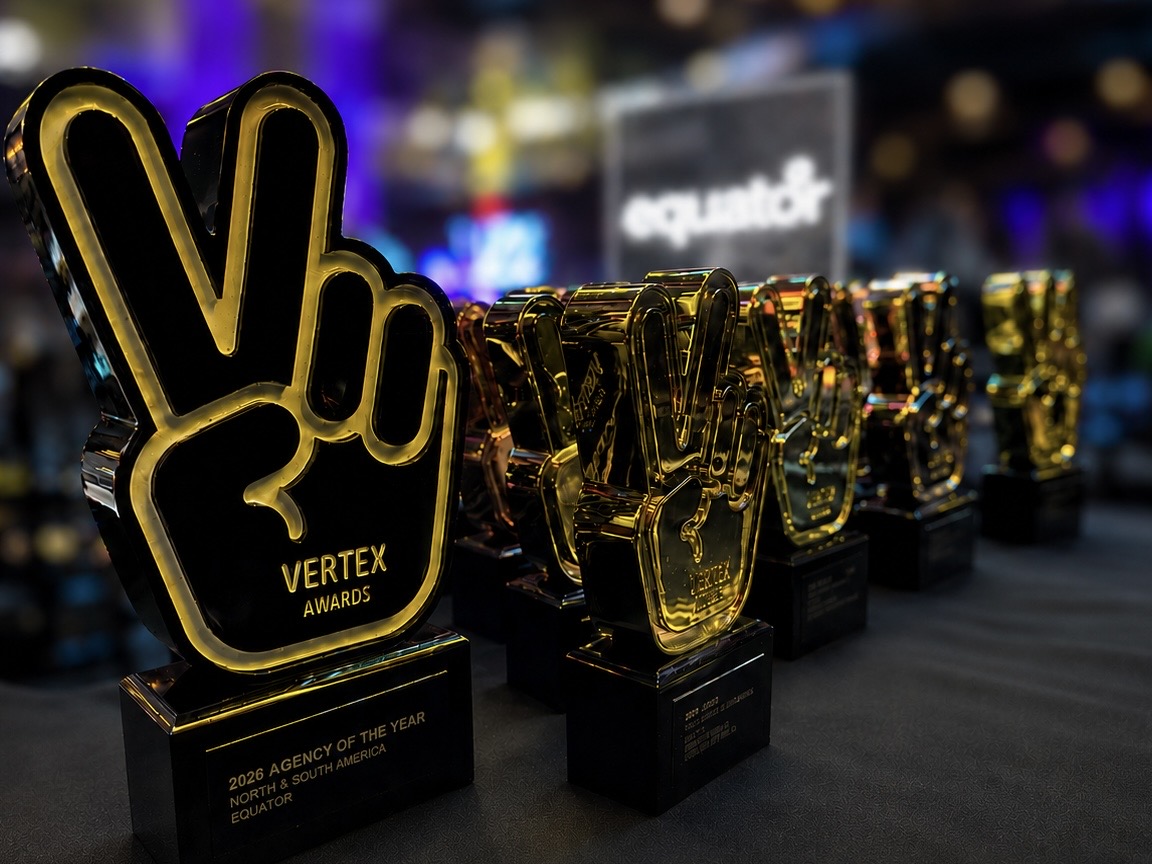
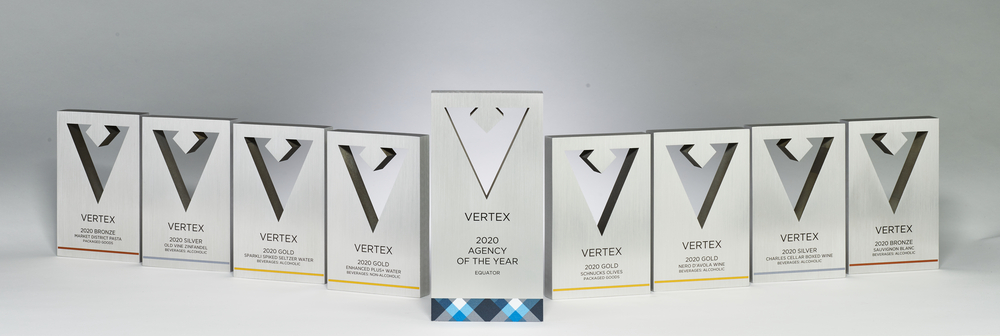
We’ve done it again: Equator named Agency of the Year at the Vertex Awards
We couldn’t be more delighted to share some exciting news. For the se...

Cracking the Design Language of Trust
Consumers today have their guard up – and who can blame them? Between the...
When Brands Had Edges: What the 90s Can Teach 2026
Michael Duffy, SVP, Global Creative Director & Business Development Som...

Ambiguity is the most expensive line on any brand programme
“The risk we rarely measure isn’t capability or budget. It’s the stru...

Why packaging must work harder in the age of HFSS advertising restrictions
Howard Wright, Executive Creative & Strategic Director, EMEA & Cana...

The Full Circle of Creativity: Photography
Another chapter in ‘The Full Circle of Creativity’, and this time we’...

She’s back: why Marjorie Murphy is rejoining the Equator team
We’re thrilled to announce that Marjorie Murphy is returning to Equator a...

The Full Circle of Creativity: Illustration
When it comes to pack design, illustration is a powerful tool. Versatile an...

The Full Circle of Creativity: Creative Concepting
Another month, another chapter in ‘The Full Circle of Creativity’. So f...

The Fine Print Goes Bold: Key Takeaways from Our FDA Front-of-Pack Labelling Webinar
Last month, industry experts from Propelis gathered for a conversation abou...

From breakthrough to baseline: what’s next for sustainable packaging?
In this blog post, our Executive Creative and Strategic Director Howard Wri...

The Full Circle of Creativity: Resource Management
The Full Circle of Creativity continues, and this month we’re exploring t...

The Full Circle of Creativity: Strategy & Research
Welcome back to ‘The Full Circle of Creativity’ – a blog series desig...

Retail Darwinism: Why Packaging Design Must Evolve or Die
It might sound a bit dramatic, but in the unforgiving world of fast-moving ...

The Full Circle of Creativity: Client Service
Welcome to ‘The Full Circle of Creativity’, our behind-the-scenes blog ...

The Full Circle of Creativity at Equator Design
Ever wondered what happens between the moment a client walks through our do...

Beverage can design and printing: the power of joined-up teams
At Equator, we partner with some wonderfully creative brands in the food an...

The new luxury: how minimalism is redefining premium branding
Remember when ‘premium’ had a very specific look? Rich black background...

Equator named ‘Agency of the Year’ at 2025 Vertex Awards!
We’re absolutely over the moon to announce our most successful Vertex Awa...

How virtual reality is shaping the future of consumer research
A version of this post originally appeared in Storebrands on 28th January 2...

Food and Beverage Trends 2025: Wholefood Snacking
At Equator, we spend a lot of time immersed in trend forecasting. Keeping o...

Creating change through creativity: our 2024 community impact
As we approach the end of another year, it’s natural to pause and reflect...

Career connections: how our Michigan team is inspiring the next generation of design professionals
As part of our partnership with Battle Creek Central High School in Michiga...

The rise and rise of ready meals
With their roots in 1950s America, ready meals are a supermarket staple on ...

Are consumers sick of brand purpose?
When it comes to branding, consumers consistently express a preference for ...

Toronto’s Tracey Ujfalussy talks team-building, strategic thinking, and front-of-pack nutrition labelling
Our Toronto studio has been busy working with North American clients to pre...

Be the change: Fairtrade by design
As the dust settles on Fairtrade Fortnight – an annual celebration of all...

Origin Story: Using illustration to convey product provenance
When it comes to consumer perception, there is a strong association betwe...

How can we use artificial intelligence to make space for human creativity?
Artificial intelligence (AI) has the potential to benefit the creative indu...

Pride or Profit: The Difference Between Rainbow Washing & True Allyship
At Equator, we recognise the profound impact of visual storytelling through...

The importance of a seamlessly connected brand journey
For brands today, stand-out packaging needs to be an integral part of the b...

A colourful collaboration: how Equator created an art therapy colouring book for Lemons of Love
Creativity and care intersect at many points. Equator’s Culture Club foun...

How to win over the ‘zero consumer’
In 2023, McKinsey wrote about the rise of the ‘zero consumer’. ...
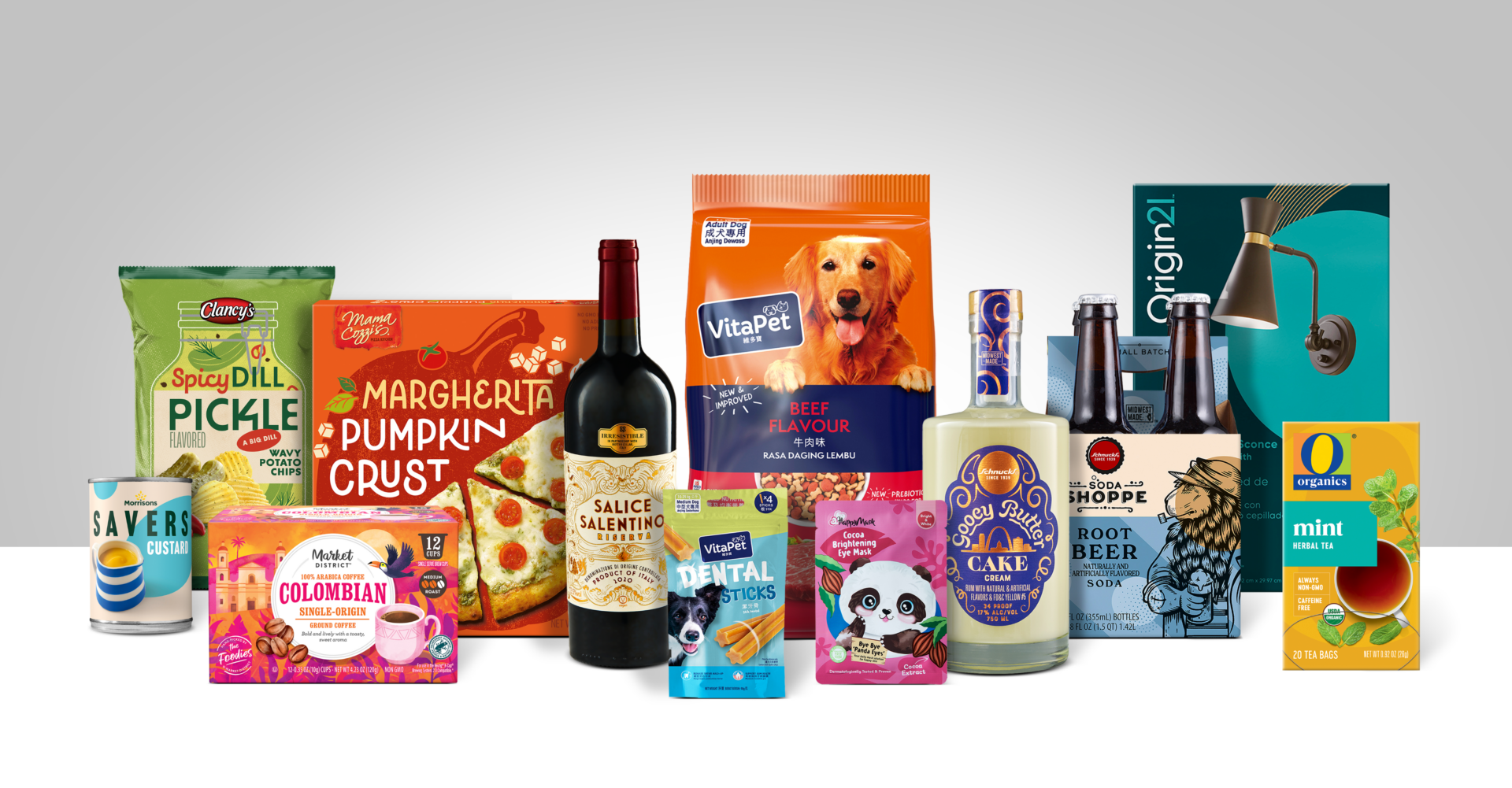
Equator achieves record-breaking result at 2024 Vertex Awards
We’re still in the midst of our victory lap after bagging an incredib...
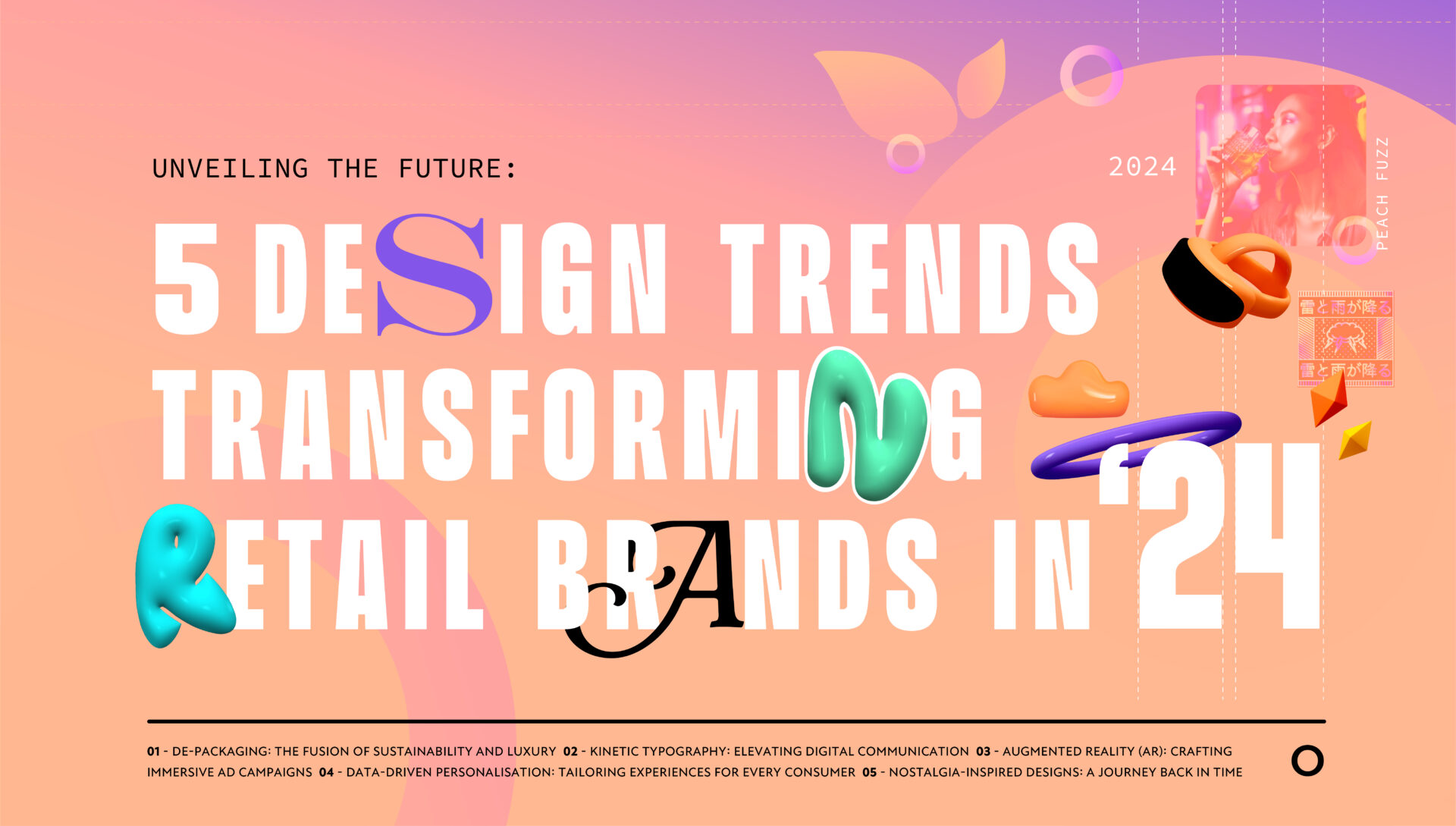
Unveiling the Future: Top Five Design Trends Transforming Retail Brands in 2024
As we journey further into 2024, the design landscape for retail continues ...
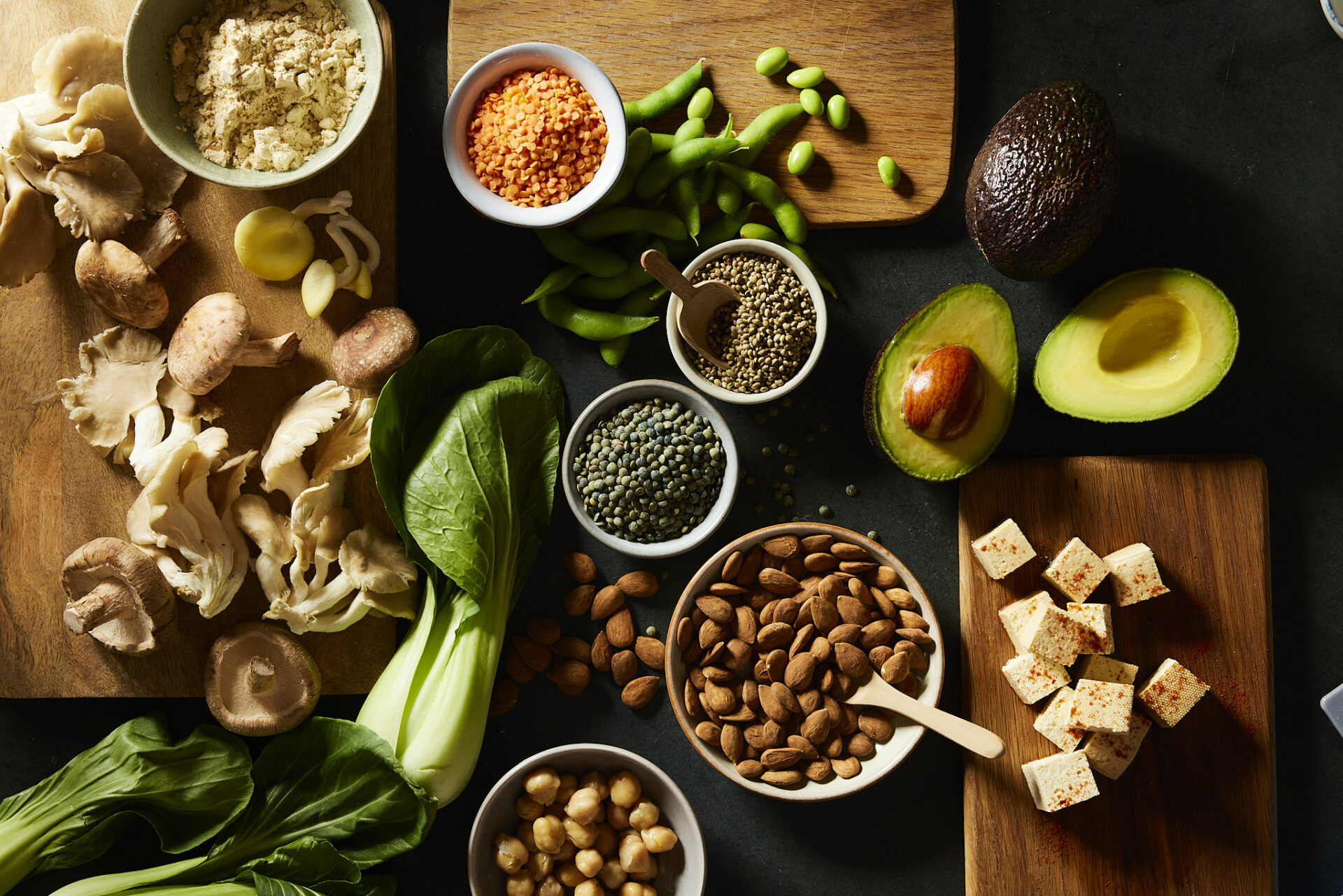
Exploring the Culinary Delights Shaping Our Food Choices
As we find ourselves immersed in the fourth month of 2024, the culinary jou...

Celebrating Together: Equator’s Milestone with West Michigan and Minneapolis Offices Integration
Hello to our incredible community! We’re thrilled to share a momentou...
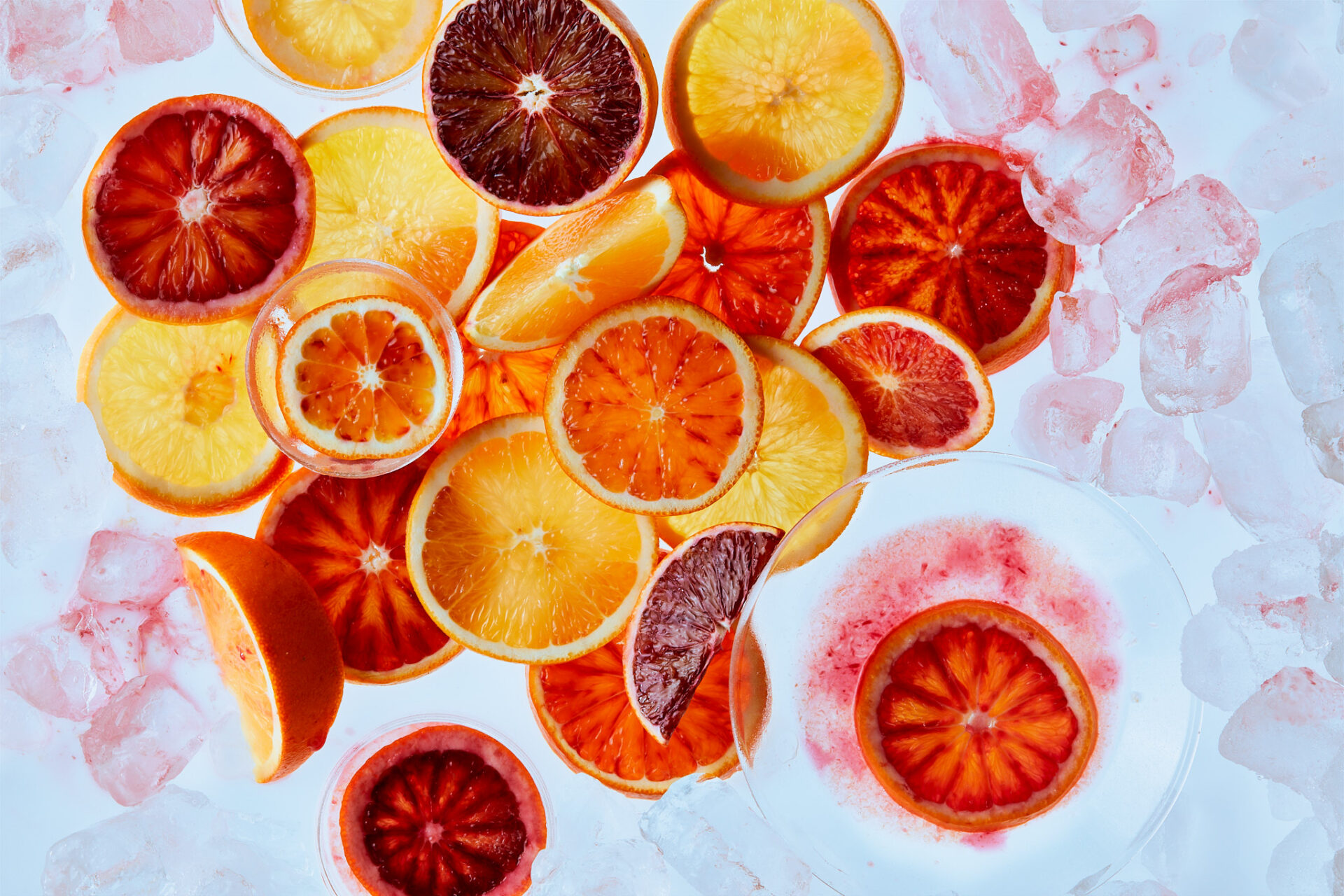
Navigating the Refrigeration Divide: Exploring Ambient Crossovers in Brand Expansion
In the ever-evolving landscape of consumer goods, brands are continually se...

The Evolution and Future of Plant-Based: Navigating the Peaks and Valleys
Has Plant Peaked? In recent years, the plant-based movement has experienced...

2023 ‘unwrapped’ – another year of creativity and change
With 2024 finally upon us, it comes a time to look back and reflect on anot...

What is Sunrise 2027 and how can brands prepare for it?
Throughout history, finding new and better ways of doing things has been a ...
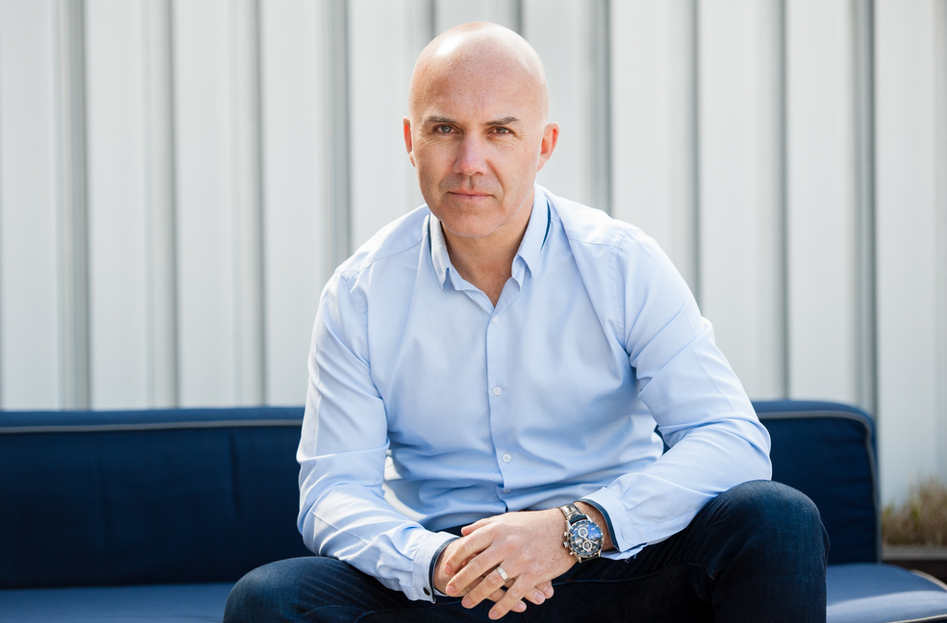
People Power and Private Brand – Global Creative Director Michael Duffy’s End of Year Review
With the end of the year fast approaching, I’ve found myself reflecting o...

Tidings of Comfort and Joy: Our Predictions For This Year’s Festive Trends
At Equator, we use every tool at our disposal to identify, analyse and pred...

What pet food trends should producers focus their development efforts on in 2023/24?
As a design agency that frequently handles innovative pet food packaging pr...

Equator Manchester designer volunteers to create a smashing new logo for Leeds Powerchair FC
Leeds Powerchair FC, one of the leading powerchair football clubs in West Y...

What is Sunrise 2027 and how can brands prepare for it?
Throughout history, finding new and better ways of doing things has been a ...

Carbon Footprint on packaging design: Customers demand clearer info on sustainability
You may have already spotted eco-labelling on product packaging design at y...
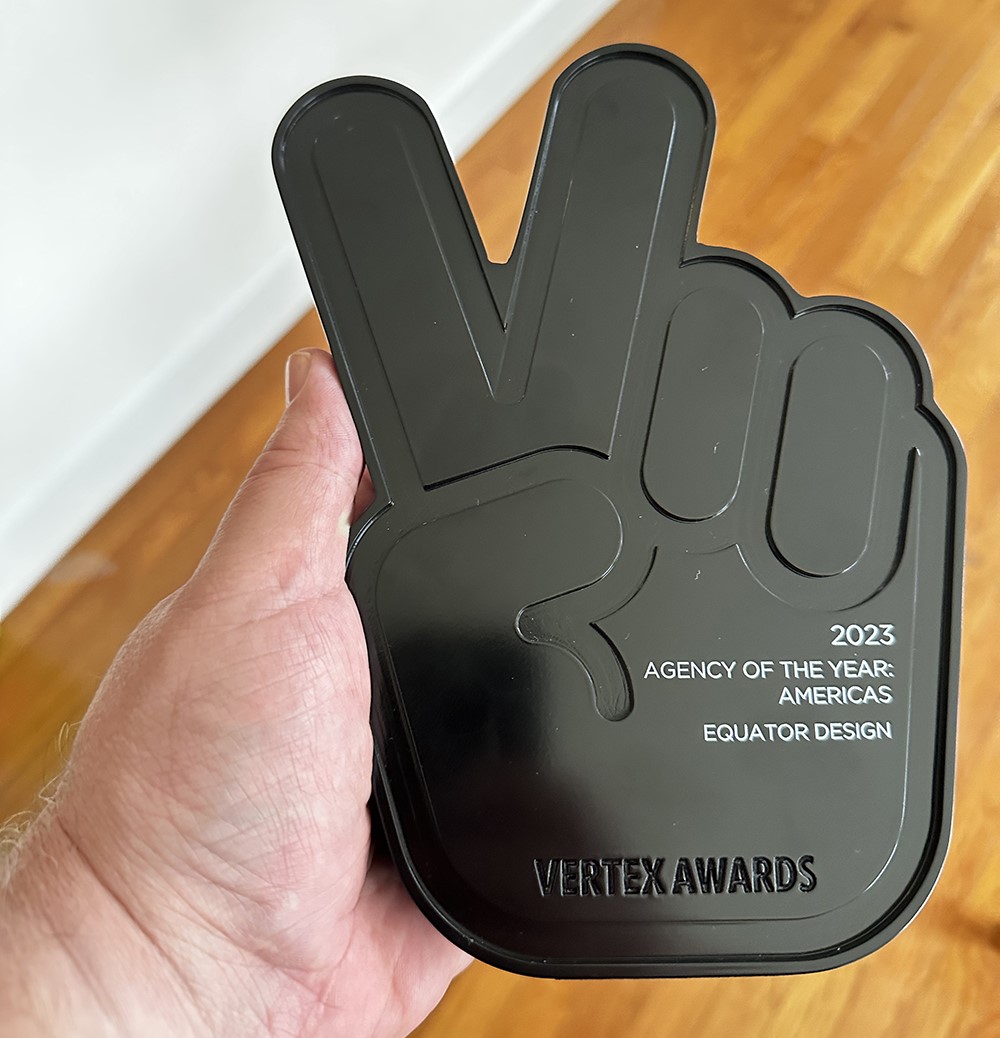
Equator takes home TEN private brand design wins at 2023 Vertex Awards
That’s right, team; we’re delighted to reveal that your hard work won u...

Equator announces Toronto studio opening
Our award-winning global packaging design agency has proudly opened a new s...
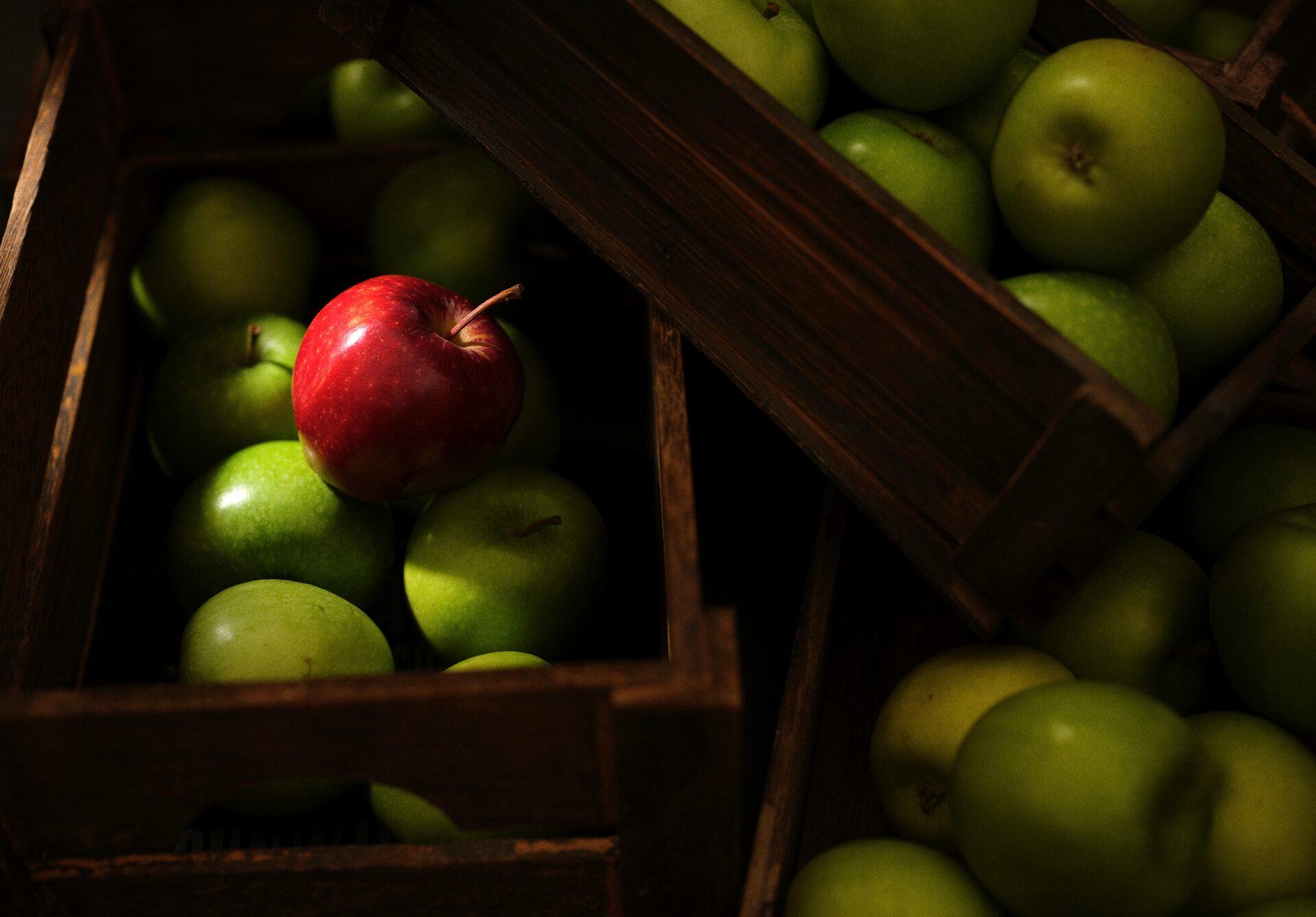
Combatting decision fatigue: a guide for private brands
If the world is beleaguered by change and uncertainty, then so too are shop...
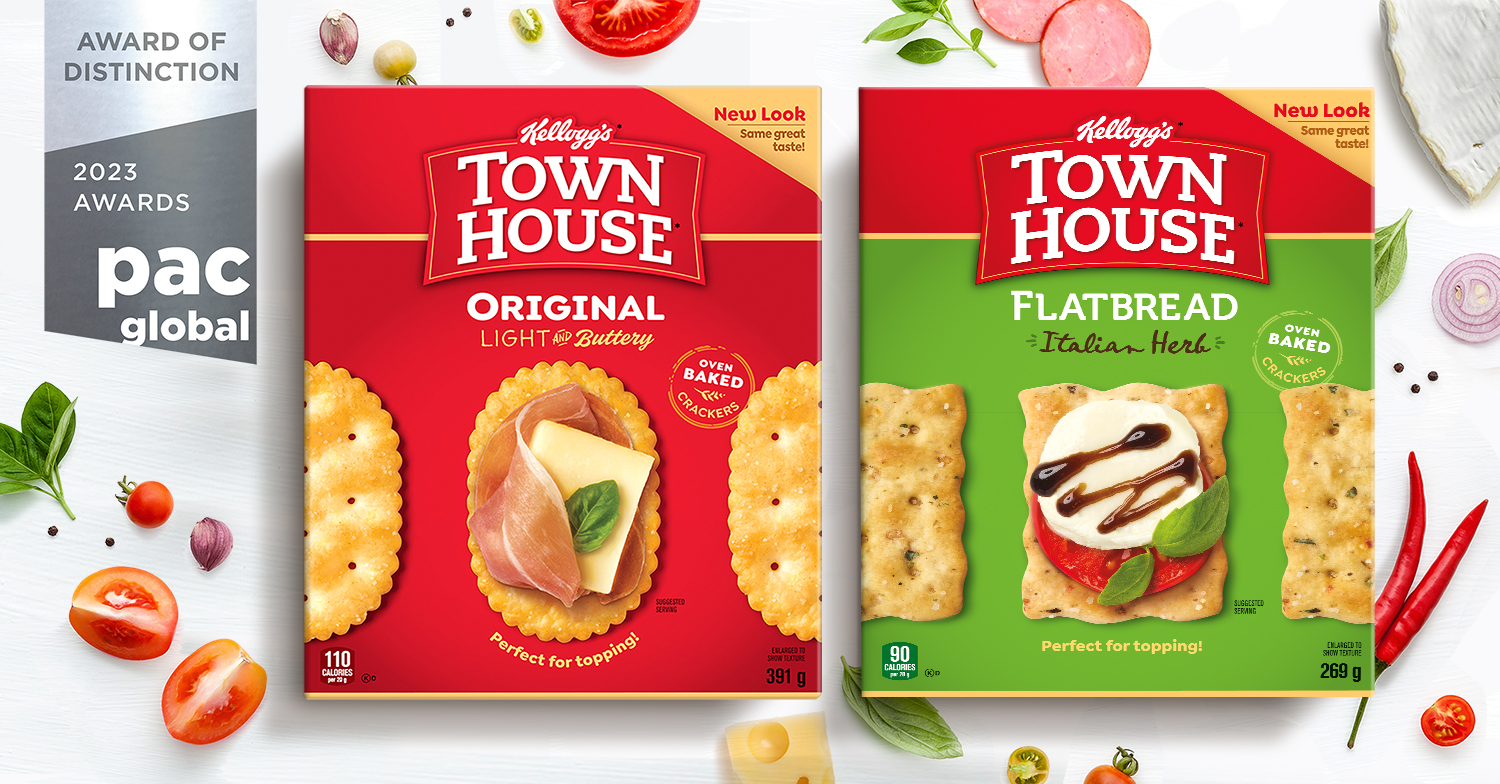
Success at PAC Global Awards for Equator’s Canadian Contingent
A huge congratulations to our new colleagues in Canada for th...

International Women’s Day 2023
Today is International Women’s Day (IWD), a global event held annually on...
Your brand and the Metaverse: what you need to know
If not, or if you’re unsure what the Metaverse even is, now might be the ...
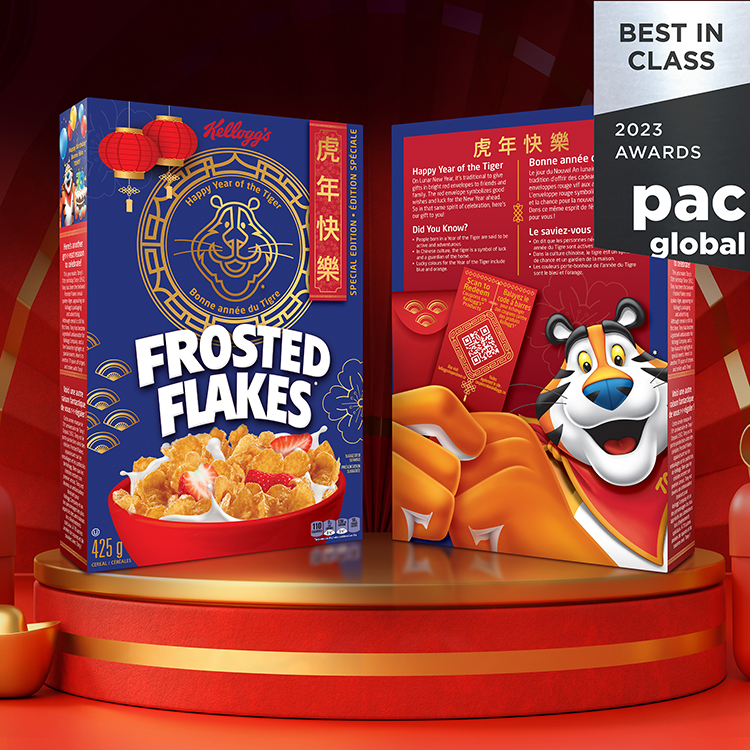
Success at PAC Global Awards for Equator’s Canadian Contingent
A huge congratulations to our new colleagues in Canada for their fantastic ...

What to expect in 2023 – a further look at packaging & branding trends…
Welcome back to the Equator crystal ball, where we look into the future and...
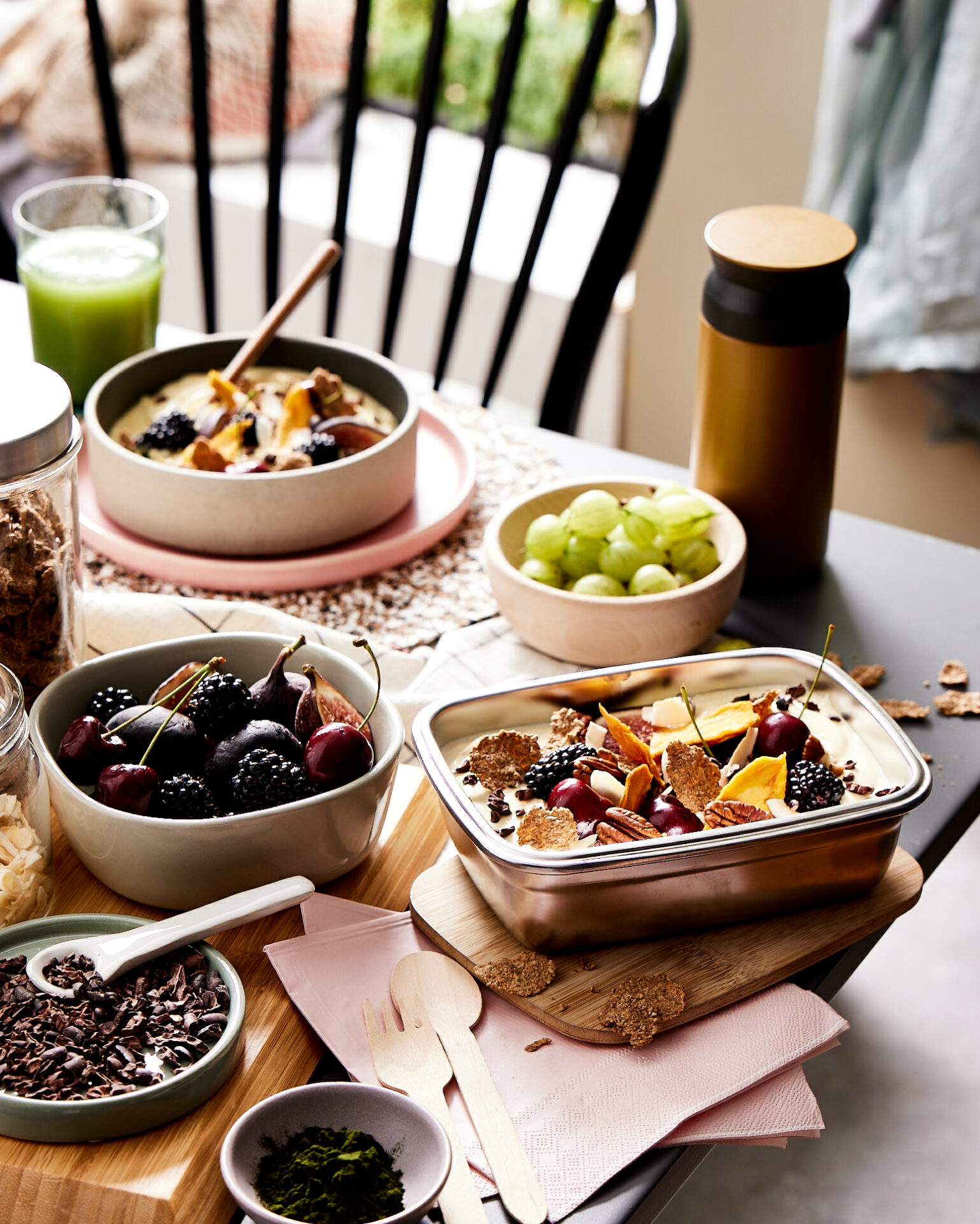
What’s hot for 2023?
What’s so important about packaging trends right now? Well, paying attent...
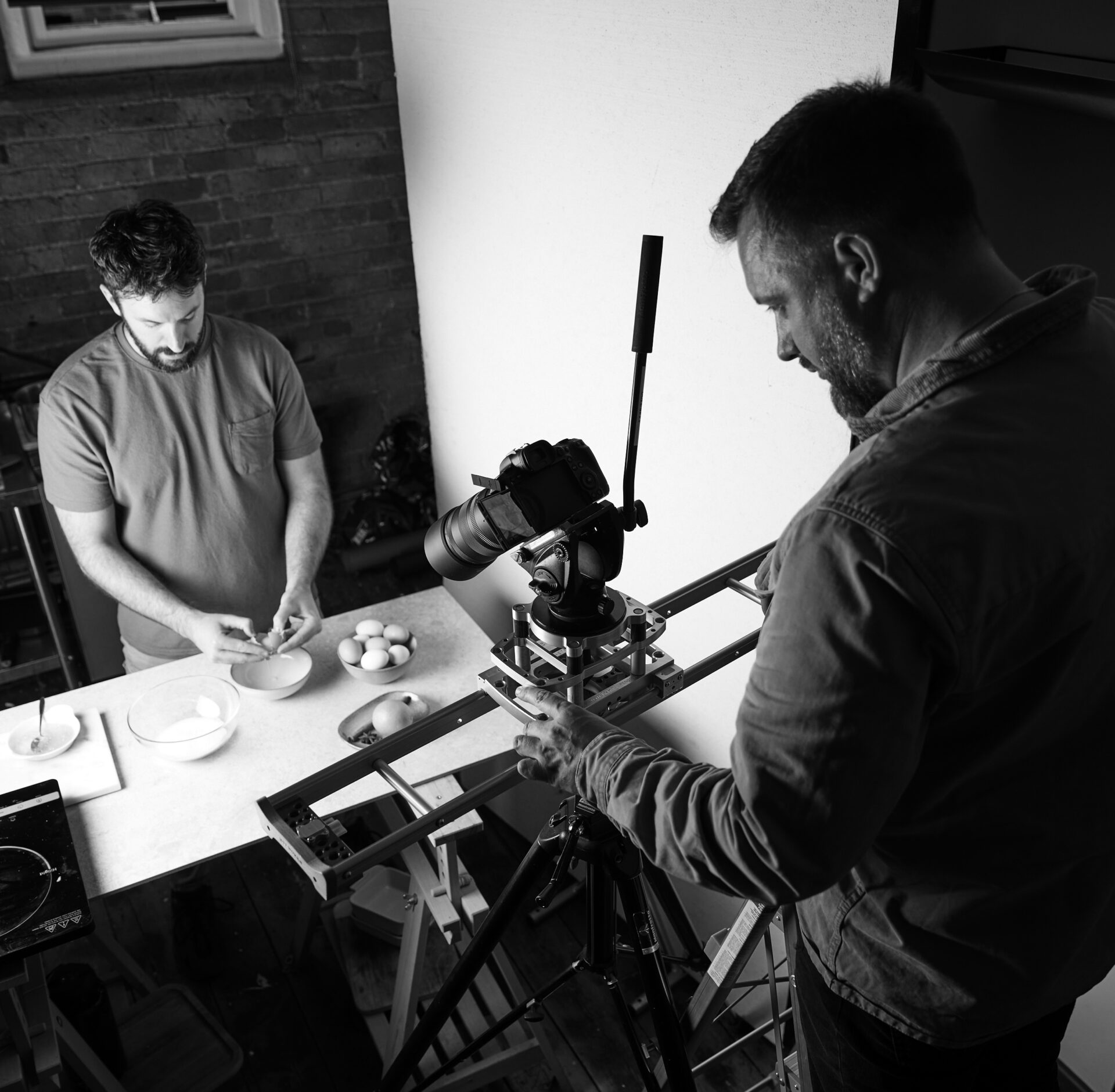
The 3 factors set to propel Equator in-house photography to new heights
There’s a palpable undercurrent of anticipation bubbling away within the ...

When disruption hits – how do you hold on to your customers?
Supply chain resilience will be a major focus both on the part of retailers...

Who is the ‘future consumer’?
If there has been one certainty of the last couple of years, it’s that of...
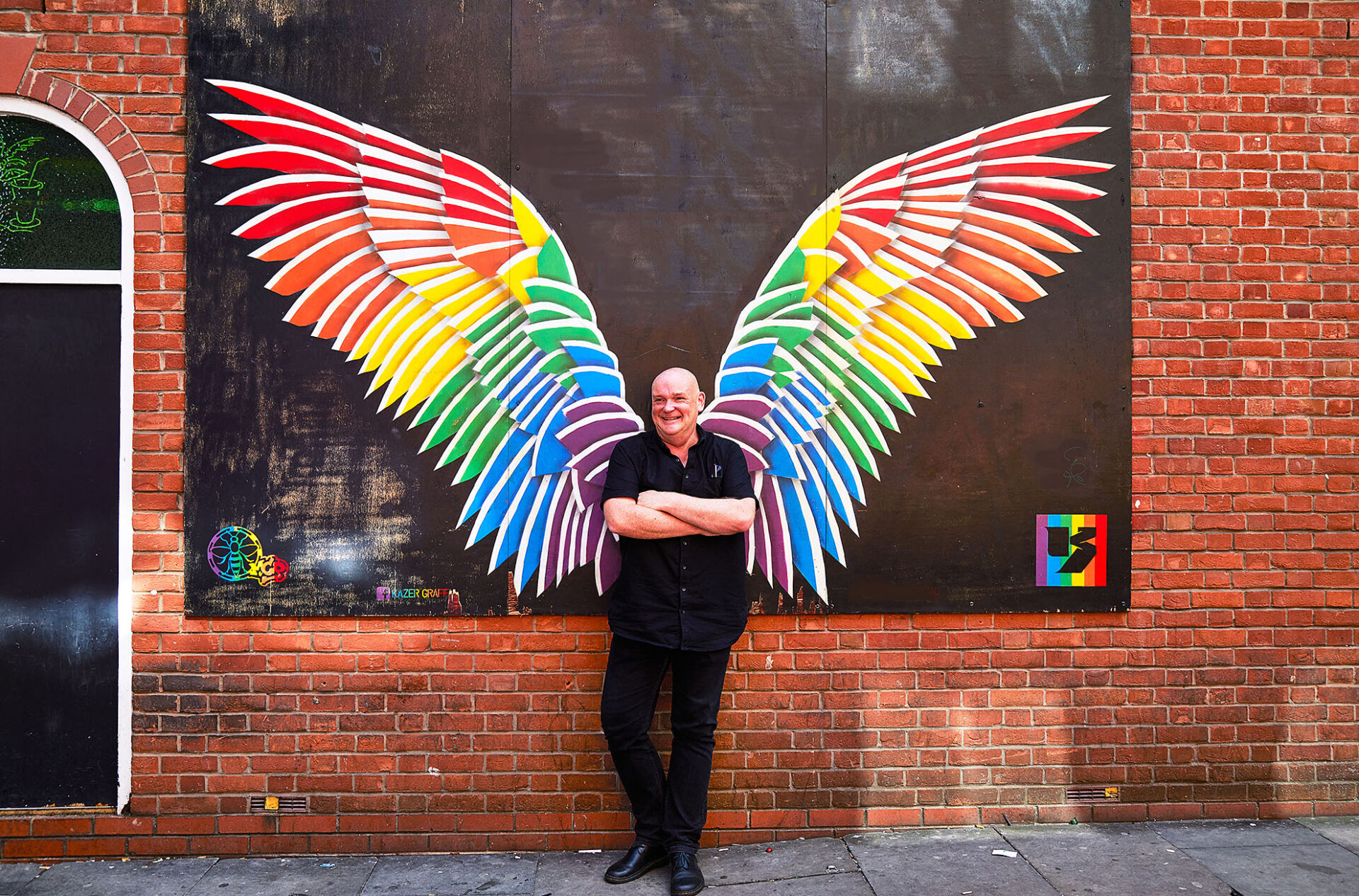
Celebrating Manchester’s Proud History
The fabric of Manchester’s history is weaved of several major social, pol...
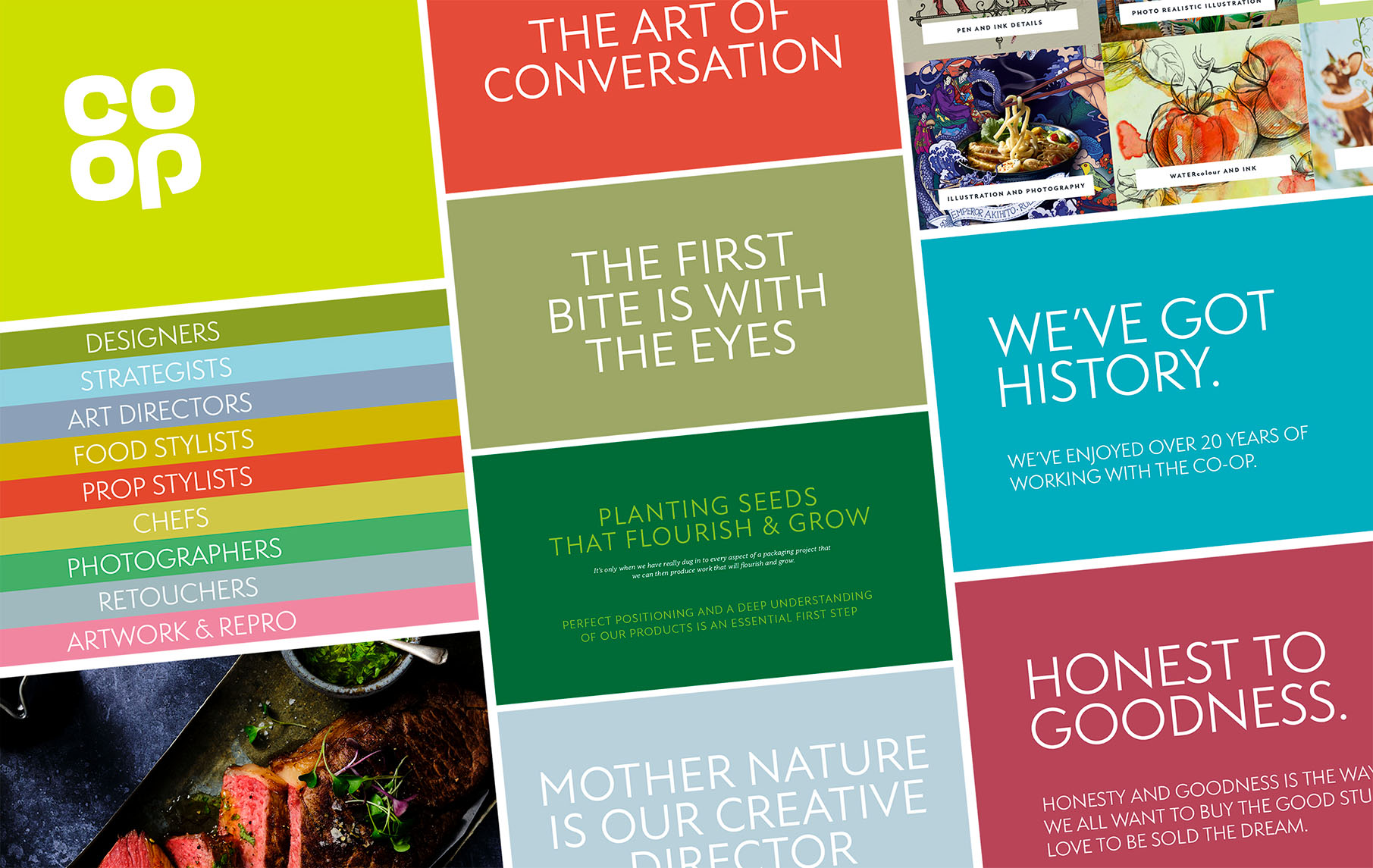
Bringing home the bacon: the importance of brand and packaging in food retail.
What is it about packaging that makes a consumer pick one product over anot...

Shining a light on LGBTQ+ iconography
As a creative business, we pride ourselves on being at the heart of what pe...

What are the secrets to being “instagrammable”?
Social shopping is a rapidly accelerating section of e-commerce. In fact, a...
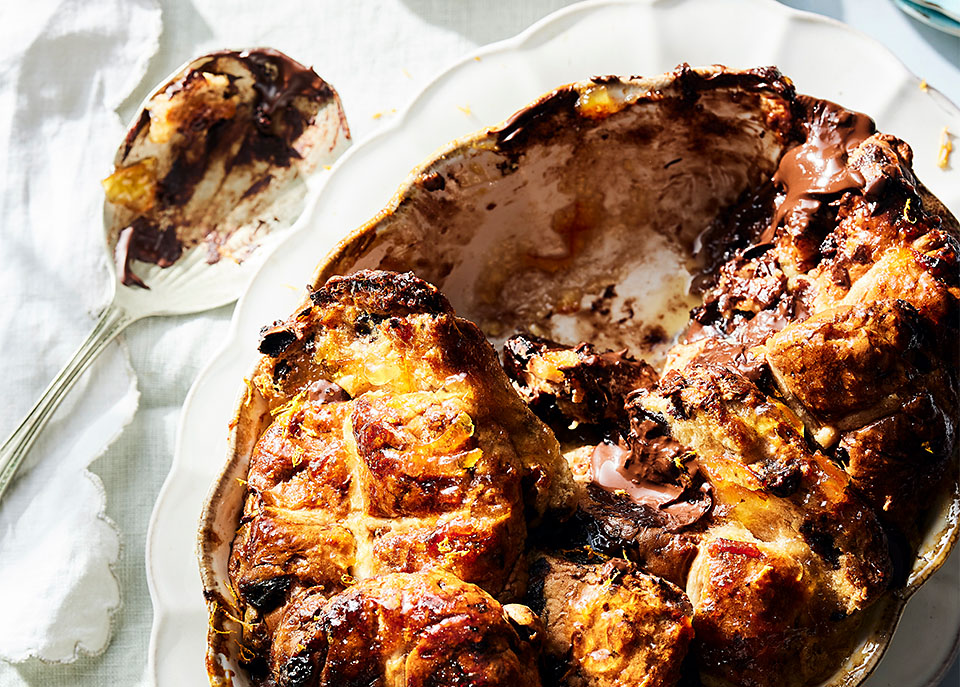
Spotlight – A Look Back at the Spring Series
The D&I Council’s Spring edition of its new bulletin, Spotlight, was ...
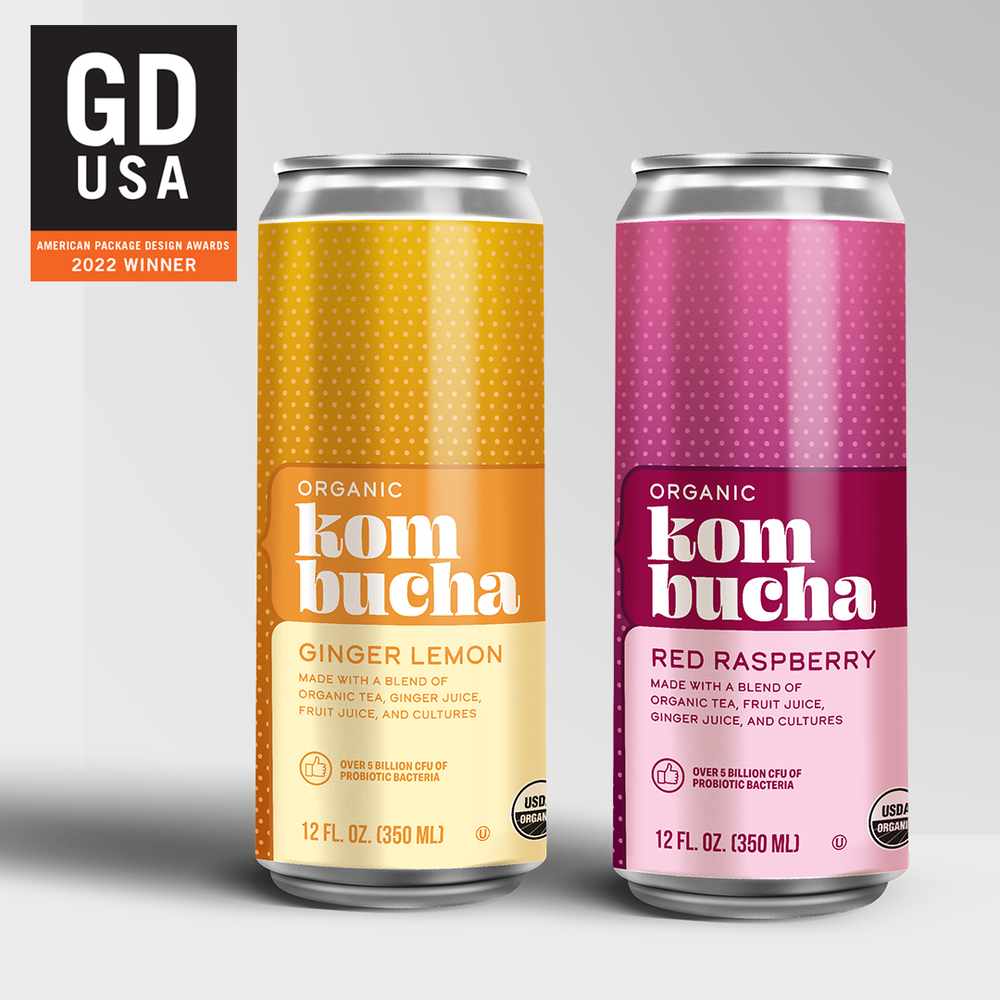
EQUATOR SCOOPS FIVE WINS AT GDUSA PACKAGE DESIGN AWARDS
This year, there were 2,750 entries to the Graphic Design USA (GDUSA) Packa...

DYNAMIC CAREER JOURNEYS: HOW EQUATOR GROWS FROM WITHIN
It’s well recognised that an expanding business is fertile ground for car...

HOW CAN PRIVATE BRANDS DRIVE SUCCESS IN 2022? TED MONNIN, SENIOR CREATIVE DIRECTOR, TAKES A LOOK AT THE EVER CHANGING LANDSCAPE OF PRIVATE BRAND AND HOW THINGS COULD PLAY OUT THIS YEAR.
Between the pandemic’s disruptive effect on supply chains and the rising ...

EQUATOR APPOINTS SI THOMPSON AS UK DIRECTOR OF PHOTOGRAPHY IN MANCHESTER
Equator has appointed Si Thompson as UK director of photography at its Manc...
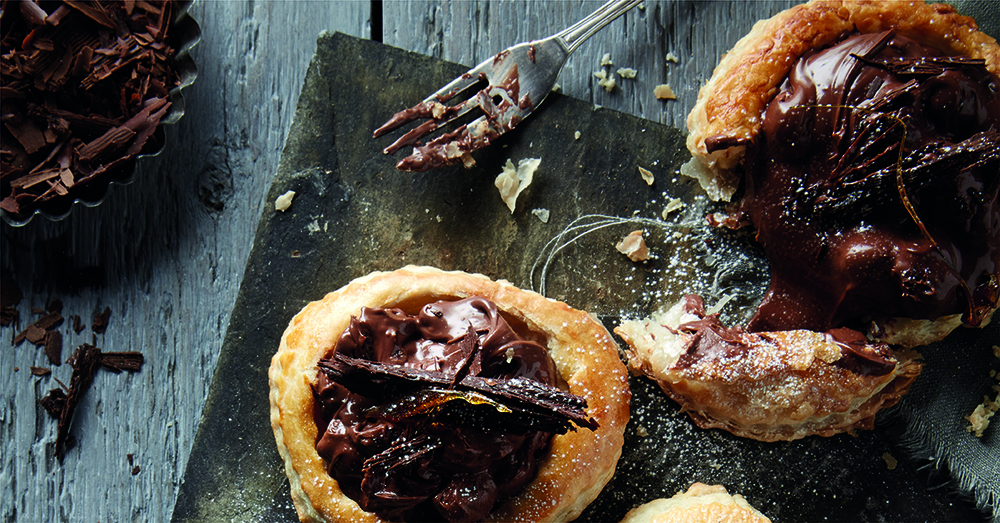
HARD-WIRED FOR INDULGENCE
Although he may not be related to the founders of the historic Funke Chocol...
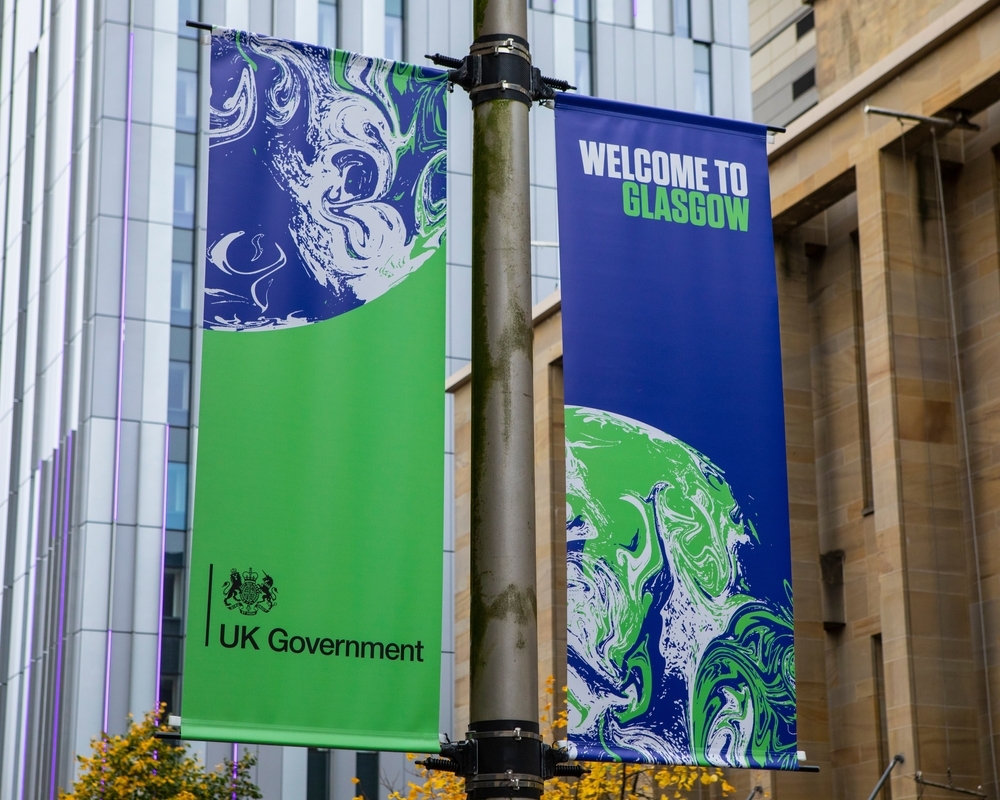
REUSABLES AND REFILL STATIONS: WHAT “PACKAGING FREE” MEANS FOR NATIONAL AND PRIVATE BRANDS
The city of Glasgow has been playing host to the COP26 UN Climate Conferenc...

BACK TO SCHOOL: A COLOSSAL OPPORTUNITY FOR BIG, BOLD BRANDS
It’s hard to ignore the pandemic-related shockwaves that keep rippling th...

COLLABORATING IN THE TIME OF CORONAVIRUS: EQUATOR’S CHANGES FOR THE BETTER
Running a business during a pandemic is a task fraught with challenges –Â...

SOMETIMES TAKING SOMEONE’S WORD FOR IT JUST ISN’T ENOUGH. WE NEED TO SEE AND EXPERIENCE THINGS FOR OURSELVES IN ORDER TO BELIEVE IN THEM.
Customers feel this way, which is why they are demanding more windows into ...

DO THE LEGWORK FOR CUSTOMERS ONLINE… OR RISK THEM GETTING ITCHY FEET
Covid has sent customers exploring new brands and services. Last year as ma...
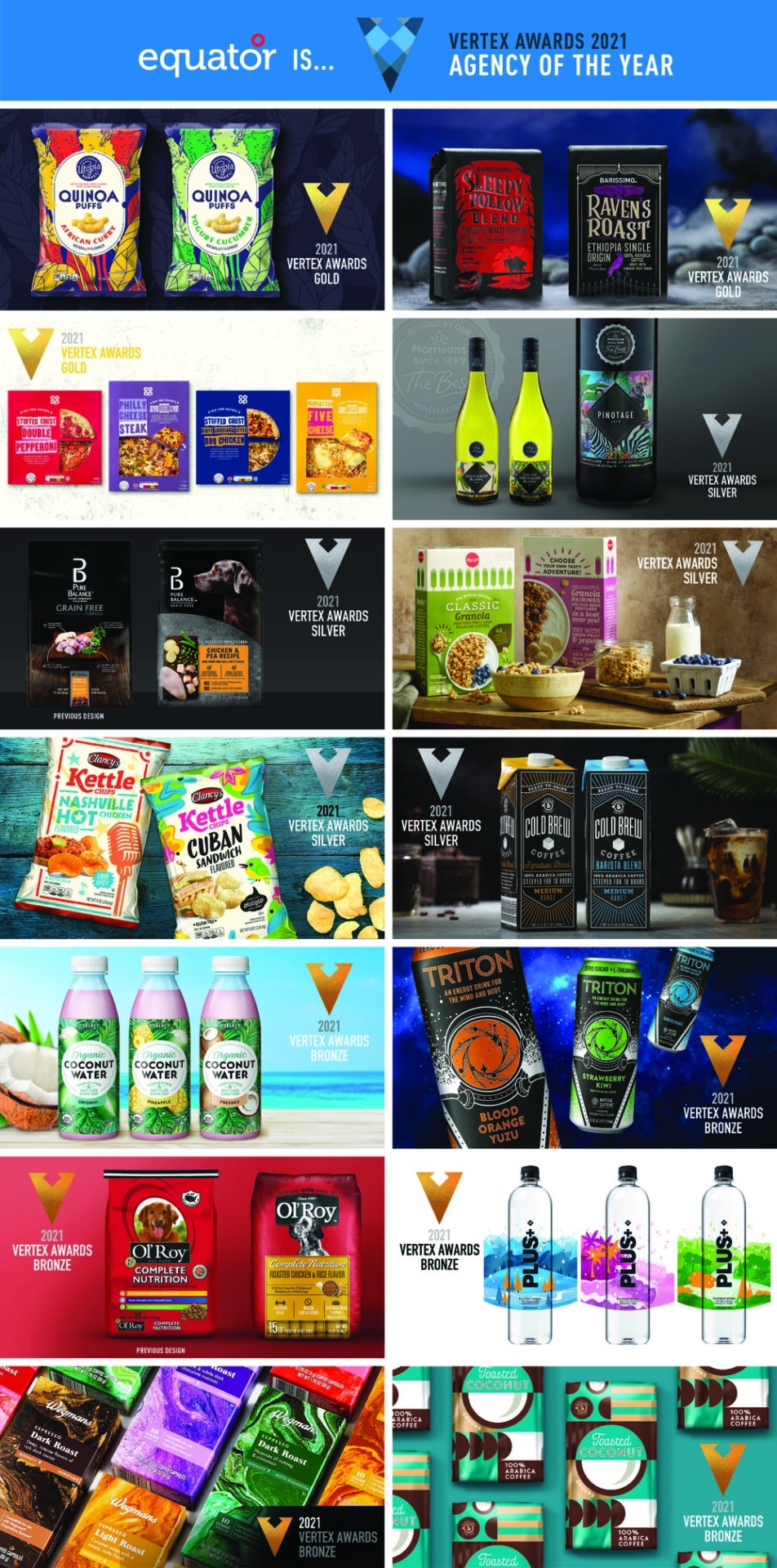
EQUATOR NAMED AS LARGE AGENCY OF THE YEAR 2021 AND SCOOP 14 VERTEX AWARDS
Equator has been named as Large Agency of the Year 2021 for the second year...
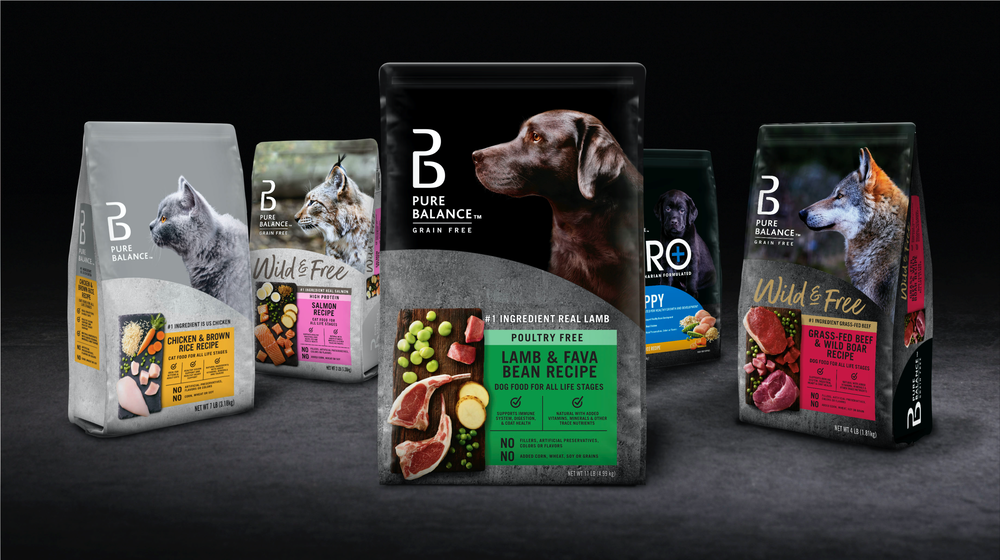
PRIVATE BRAND SEGMENTATION STRATEGIES
As the US private brand marketplace matures, more private brands are using ...
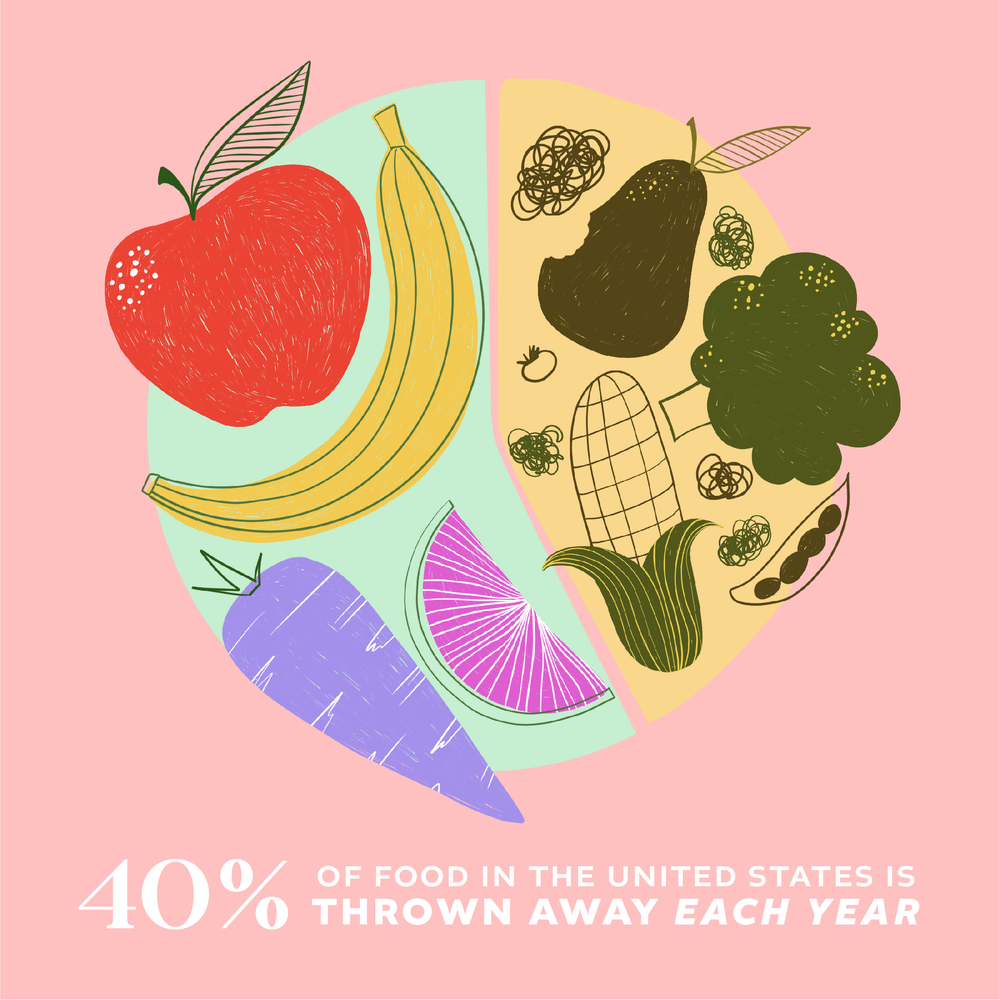
WHY AND HOW BRANDS SHOULD BE HELPING CONSUMERS TACKLE THEIR FOOD WASTE HABITS
Creative Director, Glyn Robinson chats about how both consumers and brands...

FOCUS GROUP METHODOLOGY
Like so many industries, consumer research has made a lightning-fast pivot ...

PAUSE TO GET READY – WHY RESEARCH IS CRUCIAL NOW AS LIFESTYLES SHIFT AND BUSINESSES READY TO HIT THE ACCELERATOR
As vaccine distribution numbers rise and R-numbers fall, we as individuals ...

PACK FRONTS IN 2021: THESE ARE THE TRENDS TO WATCH…
Trends are constantly emerging and fading, and sometimes – as in the case...

PRIVATE BRANDS & CUSTOMER JOURNEY: CLAIMING A STAKE IN THE ECOMMERCE BOOM
Phil Jones, VP Client Engagement & Operations chats to us about the Ecommer...

THE HIGH-TECH PACK FRONT: HOW DIGITALLY DRIVEN PROCESSES IMPROVE COLOUR CONSISTENCY AND CUSTOMER EXPERIENCES
Gary Moore, Group Colour Manager looks at the importance of colour consiste...
WHAT MAKES YOUR DIGITAL SHELF WORTH SHOPPING?
As individuals and businesses we are still in the thick of it, dealing with...

YOU SAY YOU WANT A REVOLUTION: PLASTICS IN A POST-COVID WORLD
COVID-19 triggered a global surge in plastics consumption… can we work to...

“OMNICHANNEL” – EVERYONE IS SAYING IT, BUT WHAT IS IT?
Todd Schneider, Account Director, shares his views on omnichannel retailing...
THE BIG NIGHT IN: HOW THE “HOMEBODY ECONOMY” IS TRANSFORMING THE RETAIL LANDSCAPE
With nearly all of us now spending much more time at home, the new value pl...

DOES YOUR PRIVATE BRAND HAVE A COMMITMENT PROBLEM?
Todd Schneider, Account Director, shares his views on getting customers to ...

SIGNS OF THE TIMES: IS AN EVER-SHIFTING LOGO A METAPHOR FOR THE LIVES WE LEAD TODAY?
At Equator we talk a good deal about “locking in” a logo, and we use th...
KEY POINTS FROM VELOCITY GLOBAL – THE FIRST-EVER GLOBAL PRIVATE BRAND EVENT, VIRTUALLY
Our own Ed Holden and Michael Duffy attended the event virtually, and here ...
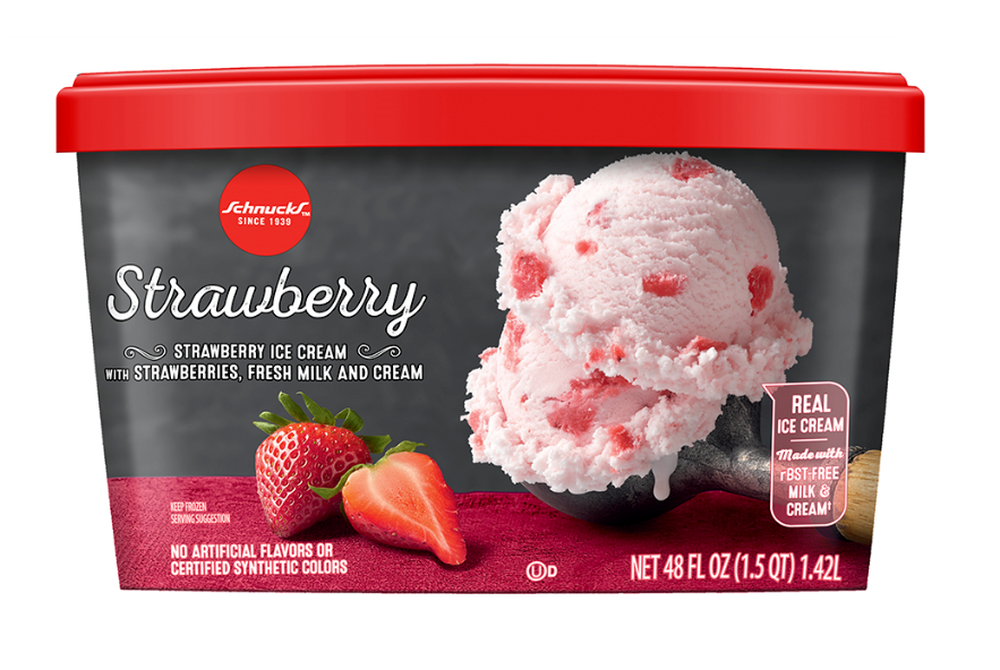
PACKAGING RENDERS BRING BRANDS TO LIFE AND DRIVE PERFORMANCE BOTH IN-STORE AND ONLINE. HERE’S HOW…
We understand how infographic design, editorial photography and renders wor...
DESIGN WITH COMMUNITY IN MIND
Andreea Grosanu who heads up our Sydney operation talks about how we design...

EQUATOR DESIGN’S GLOBAL VP OF ENGAGEMENT MATT CALDWELL DISCUSSES LESSONS FROM THE COVID-19 CRISIS
The FMCG sphere is facing “seismic shifts” – have you felt them, or a...
EQUATOR ON BRAND MANIFESTOS: WHY, HOW AND WHEN TO REFRESH YOURS…
Ed Holden, VP of Business Development, walks us through Equator’s approac...

THE ROLE OF PRODUCTION IN BRAND GUARDIANSHIP
Rod joined the US team early in its history after he relocated back to the ...
THE COLOUR OF WATER
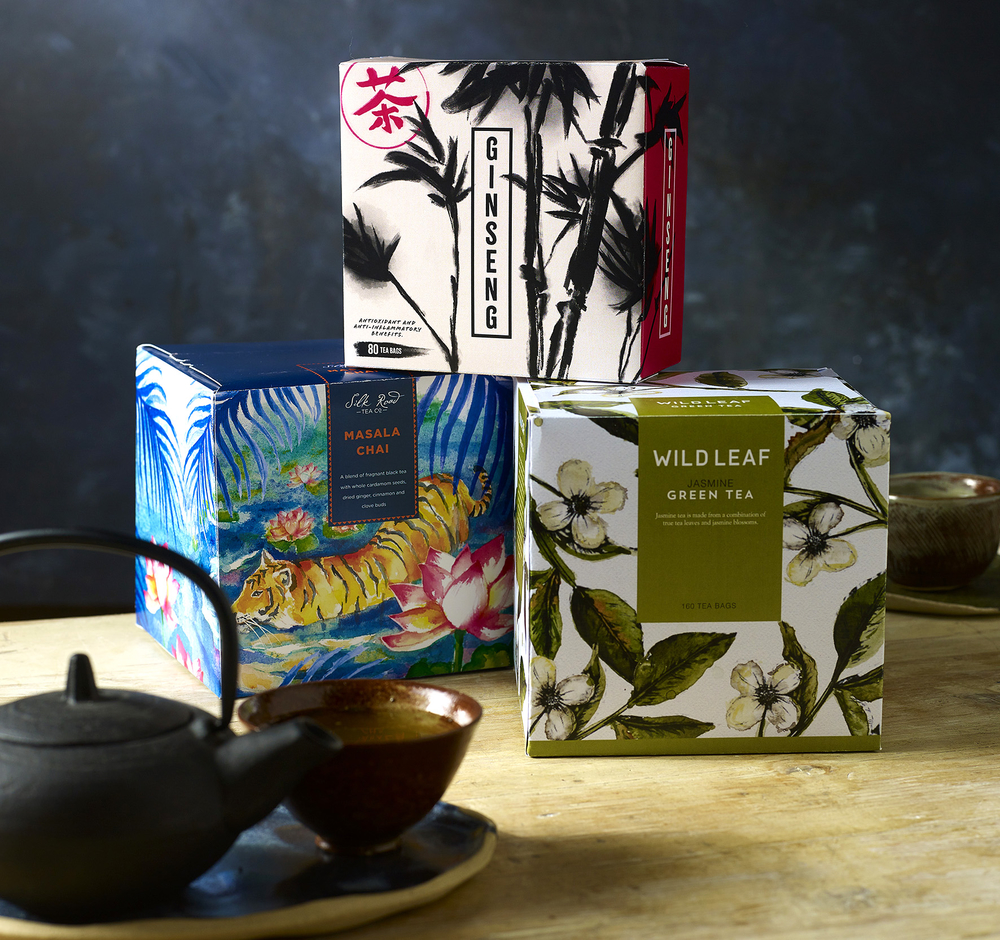
Six Equator designers recently sat down for a watercolour workshop led by C...

WHICH TRENDS IN BRANDING AND PACKAGING WILL PREVAIL IN 2020?
We discuss colour and style trends on the rise, plus the technological adva...
No results.