
From breakthrough to baseline: what’s next for sustainable packaging?
In this blog post, our Executive Creative and Strategic Director Howard Wright examines how sustainable packaging has evolved from a unique selling point to a baseline requirement and explores the unexpected challenges that lie ahead.
There was a time not so long ago when proudly promoting the sustainability of your packaging was enough to tip the purchasing decision in your favour. Those days are rapidly coming to an end as today’s consumers don’t just want sustainable packaging; they expect it. And when they can’t easily recycle, reuse, or compost it, frustration quickly sets in.
Retailers and brands have responded admirably, channelling a great deal of time and resources into reducing the environmental impact of their packaging. Of course, this isn’t just a response to consumer sentiment; regulation has played a part, too. But the net result is a huge investment in new materials, machinery, printing techniques and processes.
Consider Quality Street’s decision to replace most of its dual-layer foil and cellulose sweet wrappers with single, recyclable paper alternatives, or Pringles’ recyclable paper-based tube, which replaces the previous steel-based can and is made from recycled materials! Combine their efforts with those of emerging challenger brands, whose entire premise (and promise) is sustainability, and you get the full picture of an industry genuinely transforming for the better.
The sustainability makeover
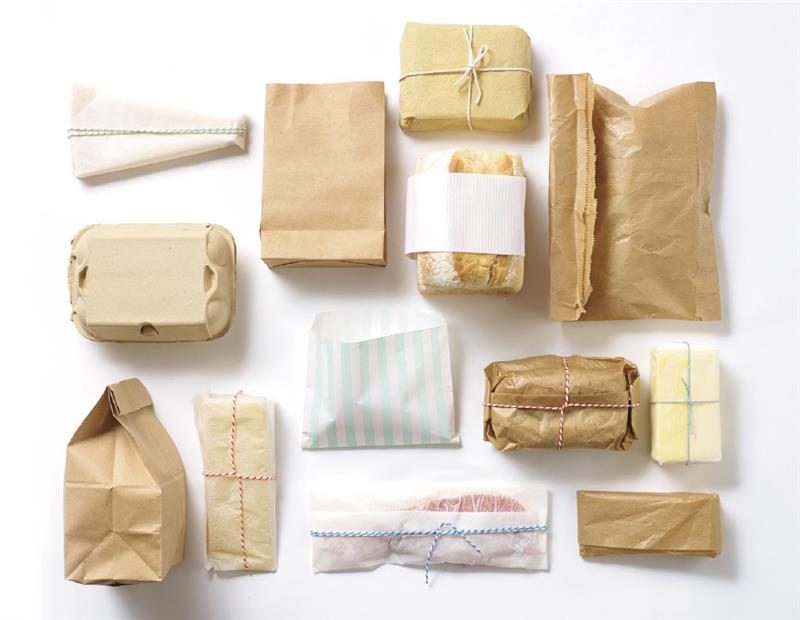
But, if simply labelling something as ‘recyclable’ is no longer enough to influence purchasing decisions, then what design elements are actually moving the needle for consumers? Sustainable packaging has undergone something of a style revolution recently – one I discussed with The Grocer for this article – where the aesthetic traditionally associated with eco-friendly packaging (off-white or beige hues with a slightly tougher finish) is falling out of favour.
There’s a reason this look developed. Historically, recycled paper and board appeared off-white or grey because the manufacturing process – mixing heavily printed, varnished, and foiled materials together – created a pulp that could never be pure white without bleaching. Recycled materials can now be as clean and white as virgin alternatives, and most inks are water-based, but the old aesthetic is still used as visual shorthand for sustainability. Some brands even print their packaging to achieve this colour difference deliberately.
In certain contexts, like craft coffee cups or fresh produce punnets, these familiar brown tones do reassure consumers that the materials are sustainable. But generally, we’re getting more sophisticated and no longer need such obvious visual cues to understand what’s recyclable. Increasingly, we want sustainable packaging to be as visually appealing as any other material.
Brands like Who Gives A Crap are delivering the goods: their toilet paper packaging is bright, playful, and designed to be proudly displayed in customers’ bathrooms, acting like an additional decorative flourish! For brands like this, who are focused on connecting with and evoking an emotional response from consumers through their packaging, our changing shopping habits support their ambitions, as a lot of the education and inspiration can take place online, freeing up packaging to reinforce brand credentials and communicate emotional messages.
The consumer challenge
So where does this leave us? As I see it, packaging serves two primary roles: the functional (storing, protecting, and transporting products) and the emotional (communicating, educating, and inspiring consumers). And the uncomfortable truth is that much of the progress we say we want to achieve is actually stymied by our unwillingness to compromise on the functional side.
Take something as simple as buying meat. We used to get it wrapped in paper from the butcher, transport it home, and use it quickly. Today, consumers expect products to last indefinitely in the fridge, with zero risk of leakage or contamination. People would baulk at the idea of any juices from meat or dairy products leaking out. We want that level of containment and longevity, but we also want sustainability. Yet the two don’t always go hand in hand.
The same tension exists with innovations like refillable packaging systems. They’re great but they demand a level of organisation and behavioural change that many of us aren’t quite ready for. You can’t refill your container when it’s half full. You have to wait for it to finish, which means being prepared to run out before you go shopping. Or you end up with multiple containers for each product, defeating the purpose entirely. The truth is: many consumers aren’t willing or able to make these changes.
The next frontier
All that being said, we have made remarkable progress when it comes to sustainable packaging. The investment, innovation, and creative thinking that’s gone into it over recent years has been extraordinary, and it’s succeeded in making sustainability an expectation, not an optional extra.
But the next phase of this evolution isn’t just about materials or machinery; it’s about us. As consumers, we need to have an honest conversation about what we’re actually willing to change in our daily lives. And as designers and brands, we need to keep finding ways to make those changes feel less like sacrifices and more like improvements.
Wondering how to make your sustainable packaging stand out in a crowded market? Contact us today to start the conversation.


